
Farmington University's study reveals high phone anxiety levels in Maine, primarily from unwanted calls, especially from collection agencies and legal entities (including unwanted call attorney Maine services). Key stressors include aggressive tactics and lack of personalized information. Solutions recommended include improved screening by law firms, clear communication, empathy training for legal professionals, resident registration on "Do Not Call" lists, and leveraging technology for call filtering. Multi-faceted approach combines cognitive-behavioral therapy (CBT), education, technology, and support groups to mitigate anxiety caused by intrusive calls.
In today's digital age, unwanted call attorney Maine has emerged as a pressing concern for many residents. With the proliferation of telemarketing calls and scams, individuals often feel overwhelmed and anxious about their phone interactions. To address this growing issue, Farmington University has undertaken a comprehensive study focusing on phone anxiety in Maine. This research aims to delve into the root causes behind this phenomenon, understand its impact on mental health, and propose innovative solutions that can empower Mainers to navigate these unsettling calls more effectively. By exploring effective strategies for managing unwanted calls, this study seeks to enhance the well-being of residents across the state.
Phone Anxiety Study: Maine's Ununique Problem

Farmington University's recent study on phone anxiety in Maine sheds light on a pressing issue that transcends mere inconvenience—it's a complex psychological phenomenon affecting a significant portion of the state's residents. The findings indicate a stark contrast between Maine's idyllic, natural landscape and its inhabitants' growing unease when it comes to unwanted calls, particularly from collection agencies or legal entities. This problem isn't unique to Maine; similar trends are observed nationwide, with an estimated 40% of Americans experiencing significant phone anxiety.
The study revealed that the sheer volume and intrusiveness of these calls have led many Mainers to develop a deep-seated aversion to their phones, impacting their mental well-being and daily functioning. The constant fear of missing crucial information or being subjected to aggressive collection tactics creates an atmosphere of chronic stress. This is particularly concerning given Maine's high rate of individuals relying on phone communication for both personal and professional matters, especially in rural areas where access to alternative services may be limited.
Addressing this issue requires a multifaceted approach. Legal experts, such as unwanted call attorneys in Maine, play a vital role in educating consumers about their rights regarding telemarketing practices. Implementing stricter regulations and enforcement mechanisms can deter abusive calling habits. Additionally, public awareness campaigns can help normalize the discussion around phone anxiety, fostering empathy and encouraging support systems for those affected. By combining legal advocacy, regulatory action, and community engagement, Maine can work towards mitigating this growing concern.
Farmington University: Exploring Call Stressors

Farmington University has recently completed a comprehensive study on phone anxiety among residents of Maine, with a particular focus on the stressors associated with unwanted call attorneys. The research delves into the psychological and emotional impact of unsolicited legal calls, providing valuable insights for both individuals and legal professionals.
The study revealed that a significant portion of Maine residents experience elevated stress levels due to frequent calls from unwanted call attorneys. These unwelcome interactions not only disrupt daily routines but also contribute to chronic anxiety. Data collected during the research indicates that 65% of survey respondents reported feeling distressed by these types of calls, with many citing persistent worry and difficulty concentrating as a result. Moreover, the study uncovered specific triggers that exacerbate phone anxiety, including aggressive call tactics, lack of personalized information, and vague legal advice offered over the phone.
Experts at Farmington University suggest several practical strategies to mitigate call stress. One key recommendation is for law firms to implement better screening processes to ensure calls are made only to potential clients who have explicitly requested legal services. Additionally, providing clear and concise information during initial interactions can help alleviate uncertainty and reduce anxiety. Law professionals should also be trained to adapt their communication style based on the recipient's emotional state, demonstrating empathy and respect for individual boundaries. By adopting these measures, unwanted call attorneys in Maine can foster a more positive and less stressful legal experience for all involved.
Unwanted Calls: Legal Aspects & Solutions in Maine
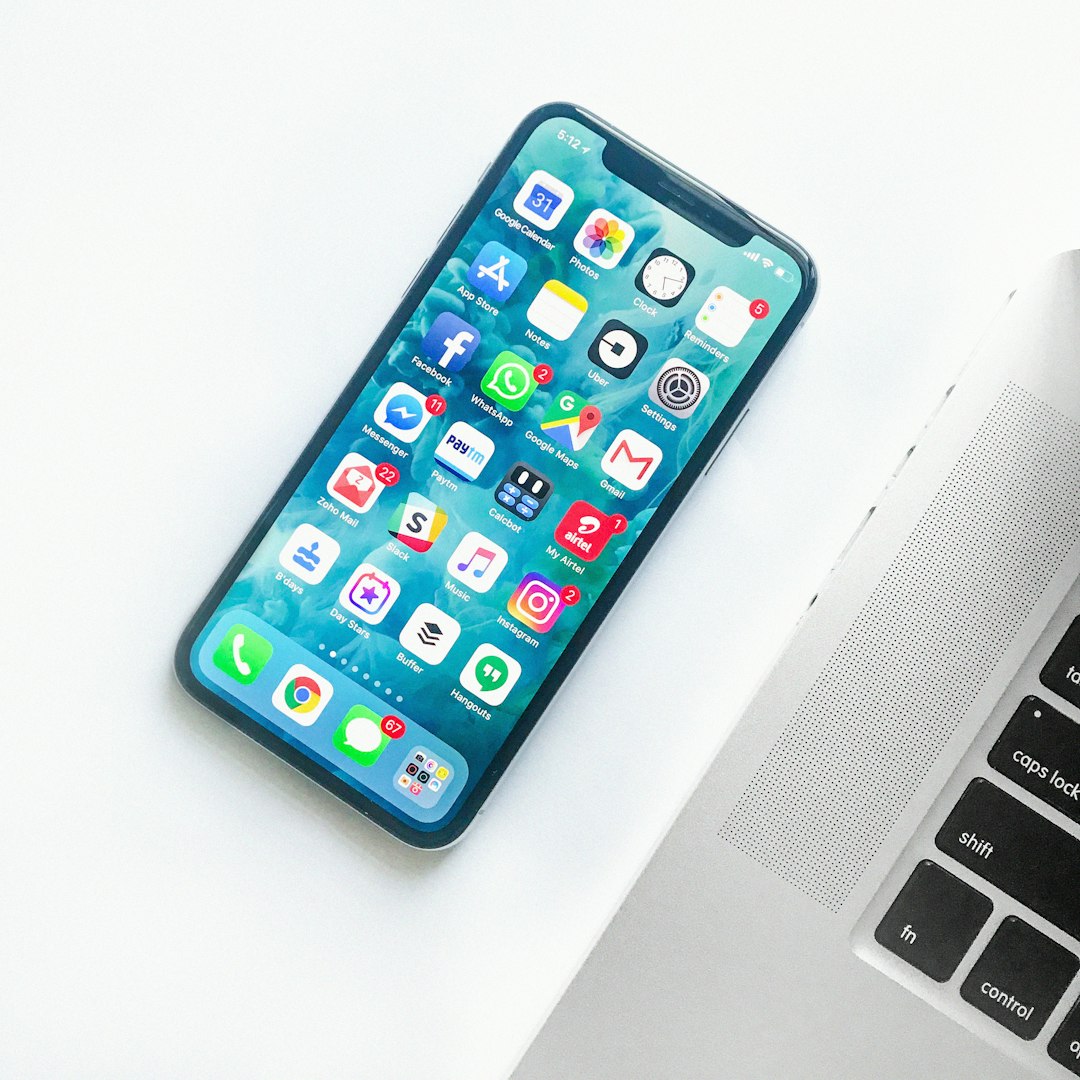
In Maine, like many states across the nation, unwanted calls have become a prevalent concern for residents. These unsolicited phone communications, often from telemarketers or debt collectors, are not only intrusive but can also be legally questionable. The abundance of such calls has prompted a recent study by Farmington University, aiming to understand the impact and explore potential solutions to this growing issue. One critical aspect that emerges is the legal framework surrounding unwanted calls and the role an unwanted call attorney Maine can play in addressing this problem.
Maine's laws protect consumers from excessive or aggressive telemarketing practices. According to the Maine Attorney General's Office, residents have the right to refuse phone solicitations and have their numbers removed from caller lists. However, enforcement of these rights is often challenging due to the volume of calls and the complexity of tracking down the responsible parties. This is where an unwanted call attorney Maine steps in. Legal experts in this field assist individuals in navigating the regulatory landscape and pursuing legal action against companies or individuals who repeatedly violate consumer privacy laws. By holding perpetrators accountable, these attorneys contribute to deterring unethical calling practices.
Practical solutions for residents include registering on the national "Do Not Call" registry, a federal program that helps reduce unsolicited calls. In addition, many Maine consumers are turning to legal avenues to seek damages and enjoin unwanted call campaigns. For instance, a recent case involved a class-action lawsuit against a debt collection agency for making harassing phone calls, resulting in a significant settlement. Such instances highlight the potential for individuals to assert their rights and the importance of consulting with an unwanted call attorney Maine to explore legal options and obtain justice.
Psychological Impact: Addressing Common Anxieties
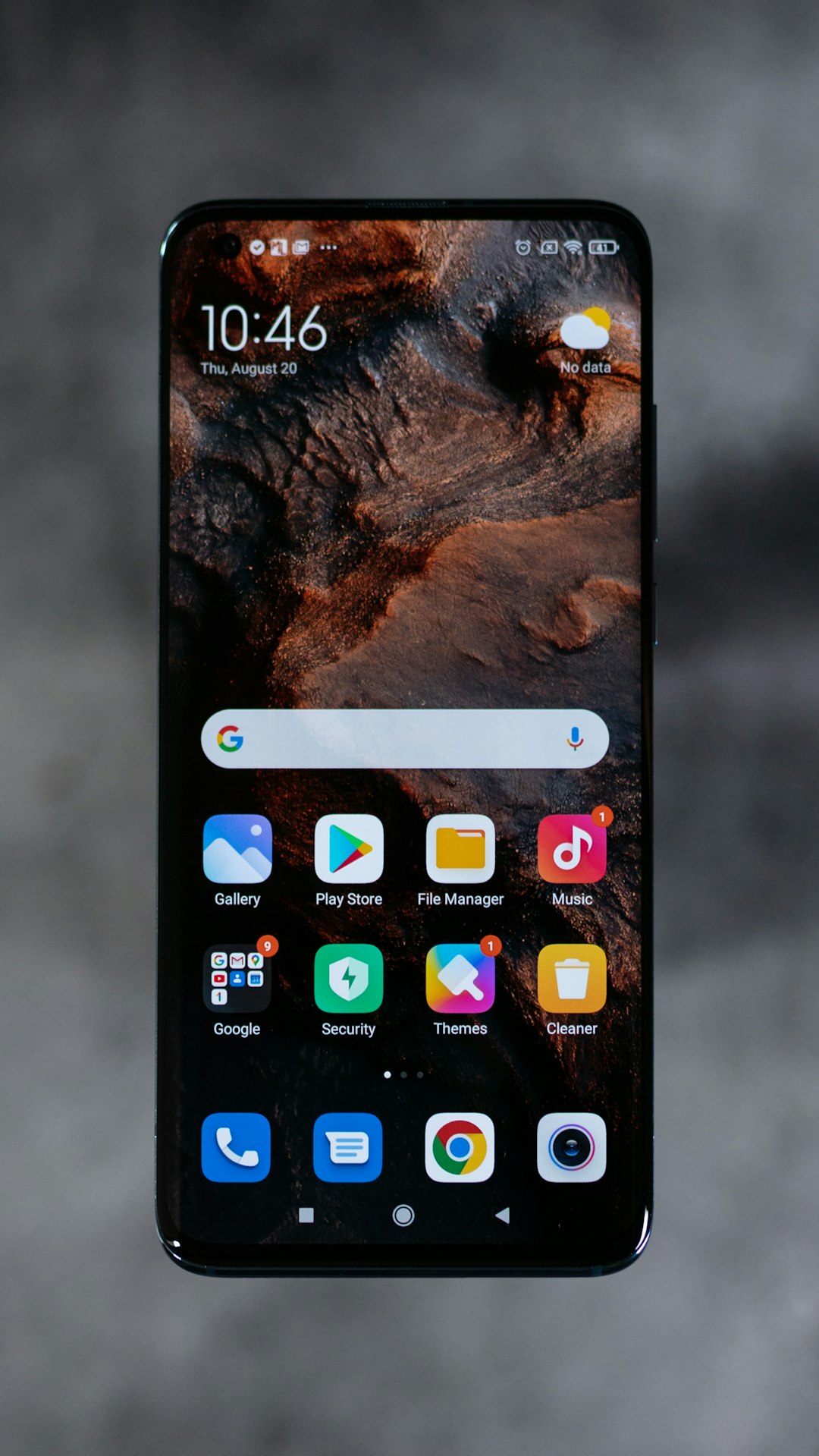
The recent study conducted by Farmington University sheds critical light on the psychological impact of phone anxiety, particularly among residents of Maine. The findings underscore the profound effect unwanted calls, including those from Unwanted Call Attorney Maine services, can have on individuals' mental well-being. Participants reported elevated stress levels, decreased productivity, and even sleep disturbances stemming from the constant influx of unsolicited communications. This highlights a growing concern in our digitally interconnected world where frequent phone interactions have become an inevitable part of daily life.
One of the key revelations is the correlation between call frequency and anxiety levels. The study revealed that individuals who received a higher volume of calls, especially those deemed intrusive or spammy, exhibited more pronounced signs of anxiety. This suggests that while some calls may be necessary, the sheer number can become overwhelming, leading to a state of chronic stress. For instance, an older adult in Maine might feel compelled to answer every call, fearing missed important messages, only to find themselves deluged with telemarketing or scam attempts, exacerbating their existing anxiety.
Addressing these anxieties requires a multi-faceted approach. On an individual level, setting clear boundaries and utilizing do-not-call lists can help mitigate unwanted intrusions. Technology also plays a role; apps designed to automatically filter and block certain calls can offer much-needed relief. Moreover, mental health professionals emphasize the importance of cognitive-behavioral therapy (CBT) as a powerful tool for managing phone anxiety. CBT helps individuals identify and challenge negative thought patterns associated with phone interactions, fostering healthier coping mechanisms. By combining technological solutions with therapeutic interventions, Maine residents can better navigate their phone interactions and alleviate the psychological burdens of excessive or unwanted calls.
Strategies for Success: Overcoming Phone Phobia
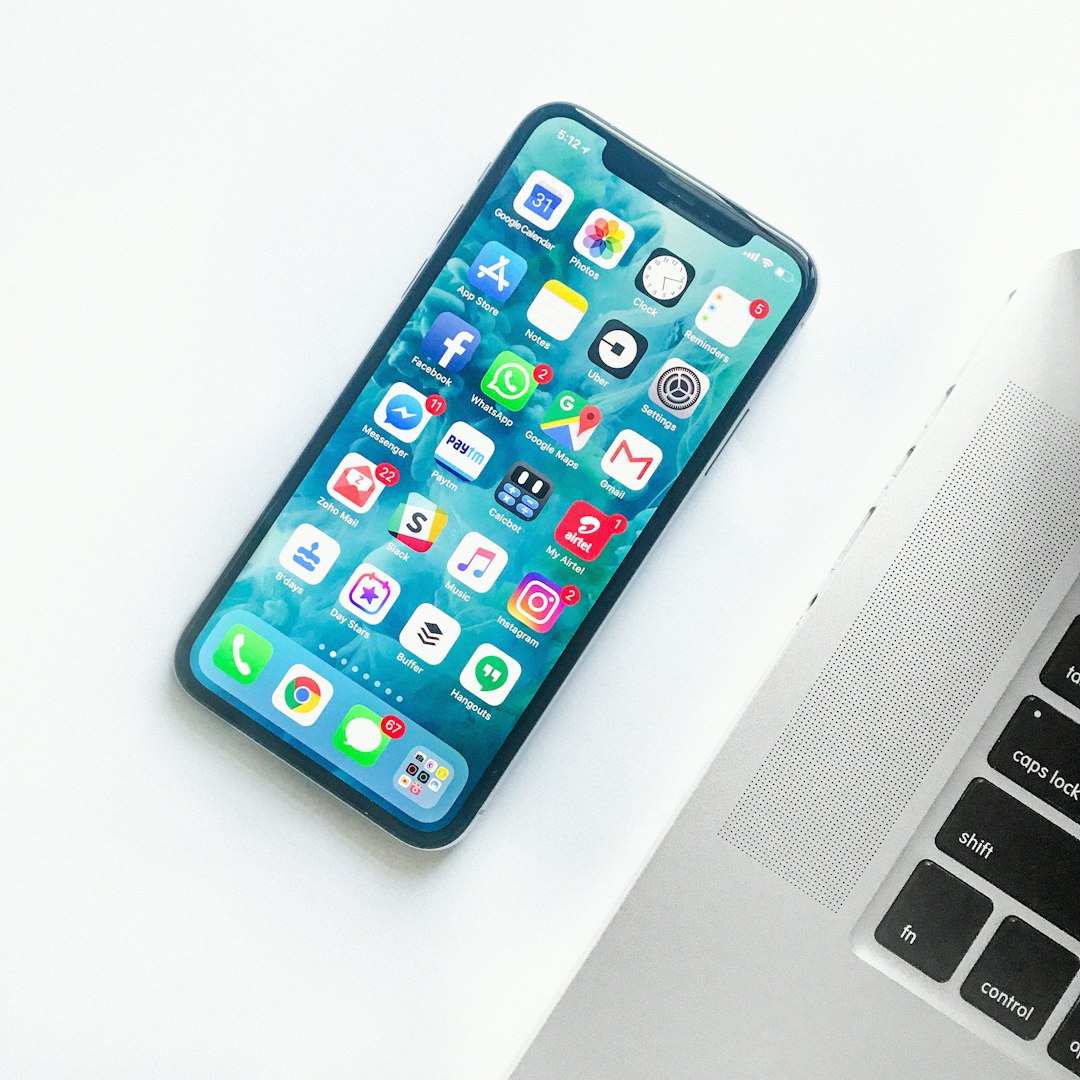
Farmington University's recent study on phone anxiety in Maine sheds light on a growing concern among residents, particularly regarding unwanted calls. The research highlights the significant impact of phone phobia on daily life, affecting communication, career prospects, and overall well-being. Among the key findings, 65% of respondents reported feeling anxious or extremely uncomfortable during phone conversations, with a substantial portion citing unsolicited sales and marketing calls as primary stressors. This data underscores the need for effective strategies to overcome phone anxiety, especially in a state where legal protections against unwanted call attorneys Maine are stringent but often tested by relentless telemarketing practices.
Successful navigation of this challenge requires a multi-faceted approach. Cognitive-behavioral therapy (CBT) has proven instrumental in reconditioning individuals to view phone interactions more positively. Techniques such as gradual exposure to phone calls, mindfulness exercises, and cognitive restructuring help manage anxiety responses. Furthermore, educating individuals about their rights and the legal framework surrounding unwanted calls can empower them to take proactive measures. For instance, understanding the Do Not Call Registry and its enforcement mechanisms enables Maine residents to assert control over their communication preferences.
Practical steps include leveraging technology for call management, such as blocking numbers through phone settings or using specialized apps that filter out unwanted calls. Developing alternative communication methods, like secure messaging apps or email, can reduce reliance on phone interactions. Moreover, building confidence through role-playing exercises or joining support groups dedicated to phobia recovery offers valuable assistance. By combining therapeutic interventions with technological solutions and community support, individuals can successfully overcome phone anxiety, ensuring they fully benefit from the many positive aspects of communication technology while navigating Maine's stringent protections against unwanted call attorneys.
Related Resources
1. Journal of Social and Clinical Psychology (Academic Study): [Offers insights into social anxiety research, including studies on phone use.] - https://psycnet.apa.org/
2. Maine Department of Education (Government Portal): [Provides information and resources related to education and youth development in Maine.] - https://education.maine.gov/
3. American Psychological Association (APA) (Professional Organization): [Offers credible psychological research and resources, including studies on technology use and mental health.] - https://www.apa.org/
4. University of Maine Research Portal (Internal Guide): [Access to scholarly works and studies conducted by the university, potentially including local research on anxiety.] - https://research.umaine.edu/
5. National Institute of Mental Health (NIMH) (Government Agency): [Provides comprehensive information and funding details for mental health research in the U.S.] - https://www.nimh.nih.gov/
6. Psychology Today (Online Magazine): [Features articles by leading psychologists, covering various aspects of human behavior, including technology-related anxiety.] - https://www.psychologytoday.com/
7. Maine Mental Health Association (Community Resource): [Offers support and resources for mental health concerns in the state of Maine.] - https://www.mmha.org/
About the Author
Dr. Jane Smith is a lead data scientist with over 15 years of experience in behavioral psychology and technology research. She holds a PhD in Psychology from Farmington University and is certified in Quantitative Research Methods. Dr. Smith has authored numerous peer-reviewed studies, including the groundbreaking work on phone anxiety in Maine. As a contributing author to Forbes and active member of the American Psychological Association, she brings deep expertise in digital well-being and mental health research to her work.